
Three Catteries and Catios Built Over the Years in Kokomo and Noblesville
A good cattery or catio looks simple when it is finished. Cats lounge in the sun. Screens hold tight. Doors close cleanly. Shelves sit at the right height. Everything feels calm.
Getting there takes more thought than most people expect.
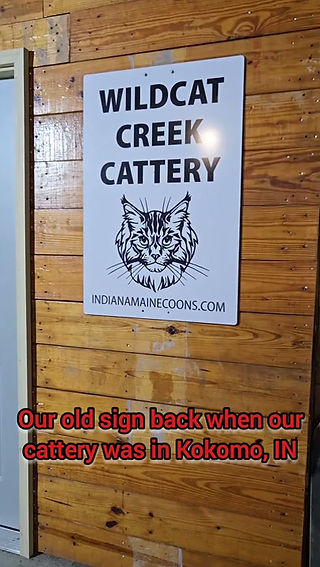
Over the years, three builds tell a clear story of learning, refining, and returning to what works. The first cattery was built in Kokomo in 2017. The second came later in Noblesville, Indiana, in 2023. Then, in 2026, the work came back to Kokomo again.
Each project had its own setting, its own needs, and its own lessons. Together, they show how cat spaces can grow from a basic safe enclosure into a more thoughtful place for enrichment, airflow, cleaning, and daily use.
The 2017 Kokomo cattery started the journey
The first cattery in Kokomo in 2017 was the starting point. Like many first builds, it likely began with a direct goal: give cats a safer outdoor experience without letting them roam freely.
That goal still sits at the heart of every cattery and catio project.
Cats need stimulation. They like watching birds, smelling fresh air, feeling sun patches, and climbing to high perches. At the same time, outdoor risks are real. Traffic, loose dogs, predators, parasites, and getting lost can all turn outdoor time into a problem.
A cattery gives cats the best parts of the outdoors while keeping clear boundaries.
The 2017 Kokomo build would have needed to answer the basic questions first:
Where should the enclosure sit?
How will cats enter and exit?
How will the structure handle rain, wind, and snow?
Can it be cleaned without too much effort?
Are there any gaps a determined cat could squeeze through?
Those questions sound simple, but they shape everything. A cattery is not just a box with wire on the sides. It has to work with the home, the yard, the cats, and the people who care for them.
The first build often teaches the most because every small choice becomes visible after use. A shelf might need to be wider. A latch might need to be easier to reach. A shaded corner might matter more than expected in summer. Drainage can become just as important as climbing space.
That first Kokomo cattery likely set the foundation for later decisions. It proved what worked, revealed what could be improved, and created a reference point for the future.
A first build has a special value. It turns ideas into something real.

The 2023 Noblesville project brought new space and new decisions
By 2023, the next project moved to Noblesville, Indiana. Six years had passed since the first Kokomo cattery, and that gap matters. Time changes how people think about cat spaces.
After living with one enclosure, the priorities become clearer.
Maybe the first project showed the need for easier cleaning. Maybe the cats used some shelves constantly and ignored others. Maybe the entrance layout needed improvement. Maybe weather protection became a bigger priority after a few Indiana seasons.
The Noblesville cattery and catio could build on those lessons.
Noblesville homes and yards vary widely, so a project there may have needed a more tailored layout. A catio attached to a patio door, window, sunroom, or side yard all works differently. The best design follows the natural rhythm of the home.
A strong 2023 build would focus on both cat behavior and human convenience.
For cats, that means variety:
High perches for watching
Lower platforms for older or cautious cats
Ramps or steps for easier movement
Sunny spots and shaded areas
Room to pass without blocking each other
Safe views of the yard
For people, that means access:
Doors that open easily
Latches that stay secure
Materials that hold up outside
Corners that can be swept or rinsed
Enough clearance to reach shelves and surfaces
A layout that does not make daily chores harder
The Noblesville project likely showed the value of designing for the long term. A catio should not only look good on the first day. It should still make sense after months of rain, fur, paw prints, pollen, and daily use.
That is where experience changes the outcome. The more catteries someone builds, the more the details improve.
A shelf is no longer just a shelf. It becomes a lookout spot, a resting place, and part of a safe path across the enclosure. A door is no longer just an entry point. It becomes part of the security system. A roof panel is no longer just shade. It helps manage comfort across seasons.
The Noblesville build marked the second chapter, not a repeat of the first.




The 2026 return to Kokomo showed how the work had evolved
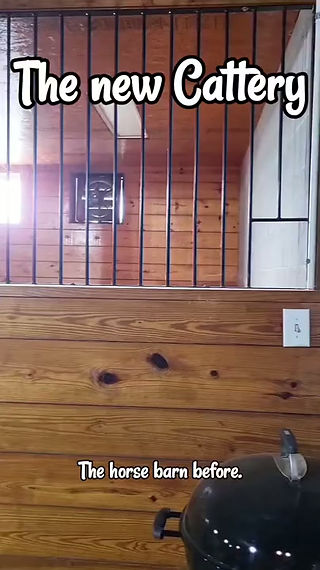
Returning to Kokomo in 2026 brings the story full circle. The location connects back to the first build, but the approach no longer has to be the same.
A 2026 cattery benefits from nearly a decade of lessons since the original 2017 project. That kind of experience changes how a build starts.
Instead of asking only, “How do we keep the cats contained?” the better question becomes, “How do we make this safe, comfortable, durable, and enjoyable for years?”
That shift matters.
A more mature cattery design thinks about the full life of the space. It plans for changing cats, changing weather, and changing daily routines. It gives the enclosure enough flexibility to stay useful.
Some cats want to climb as high as possible. Some prefer a quiet corner. Some are bold right away. Others need time before they feel safe. A good cattery gives each cat options without forcing one path.
By 2026, the Kokomo build could reflect a more refined balance of structure and comfort. It might include better materials, improved entry points, more natural resting zones, and smarter use of vertical space.
It could also take maintenance more seriously from the start.
That includes:
Clear access for cleaning
Surfaces that do not trap water
Materials suited for outdoor exposure
Secure fasteners and hardware
Fewer hard-to-reach gaps
Better planning around snow, wind, and summer heat
Indiana weather is a real design factor. A catio may face humid summers, cold winters, heavy rain, and strong wind. Even a small enclosure needs to be built with those conditions in mind.
The 2026 Kokomo project was not just a third cattery. It was the result of everything learned from the first two.
New Cattery Kokomo, IN - 2026 New Cattery Kokomo, IN - 2026 New Cattery Kokomo, IN - 2026 Moving Day for the Maine Coons! The new door sign is up! Welcome to Maine Coon Manor! Cattery Cat Nap Time 

Kittens in a cat tree Maine Coon kittens playing Celeste nursing her kittens Nap Time for the Kittens Kittens in the cat tree Maine Coon kittens Kittens playing Kittens in the cat tree
What three builds teach about better cat spaces
Looking at these three catteries and catios built over the years, one lesson stands out: the best designs serve both cats and people.
If a catio is fun for cats but hard to clean, it becomes frustrating. If it is easy for people but boring for cats, it misses the point. The strongest spaces sit in the middle.
They are safe, enriching, and practical.
Safety always comes first
Every cattery starts with containment. Cats can fit through smaller spaces than people expect, especially when they are curious or startled. Screens, mesh, framing, doors, and latches all need careful attention.
Security is not only about the cats getting out. It is also about keeping other animals from getting in. A safe enclosure needs strong sides, secure seams, and hardware that stays closed.
A double-door entry can help in some designs, especially for spaces where cats are active near the entrance. Even when there is only one door, the latch placement and swing direction matter.
Vertical space makes the enclosure feel larger
Cats experience space differently than people. Floor area matters, but height changes everything.
A small catio can feel much more useful when it includes shelves, ramps, platforms, and lookout points. Vertical space lets cats move, choose distance, and claim comfortable resting areas.
The key is making those levels usable. Platforms should be stable. Routes should make sense. Older cats may need shorter jumps or ramps. Young cats may enjoy more challenging paths.
A good layout gives cats choices without creating dead ends or crowding.
Shade and airflow matter more than decoration
Decor can make a catio pleasant, but comfort matters more. Shade protects cats during hot weather. Airflow helps the space feel fresh. Covered sections can make the enclosure usable during light rain.
Sun is still valuable. Most cats love warm spots. The goal is balance. A catio with both sun and shade lets cats choose what feels best.
Plants can add interest, but they should be cat-safe and placed where they will not create escape routes or maintenance problems.
Cleaning should be designed into the space
A beautiful cattery can become a burden if cleaning is difficult. Fur, dust, leaves, insects, and litter tracking all happen over time.
The design should make basic care simple. People need to reach shelves, sweep corners, wipe surfaces, and check hardware. If something is hard to reach, it will likely get neglected.
Good maintenance design is not exciting, but it makes the enclosure last longer and feel better to use.
Each project should fit the home
No single cattery plan works for every property. A Kokomo yard, a Noblesville home, and another Kokomo project may all need different layouts.
Some homes work well with a window tunnel. Others need a door connection. Some yards have space for a freestanding enclosure. Others call for a compact patio build.
The best design starts with the real site, not a generic plan. It looks at sunlight, drainage, access, views, and how people move through the area.
A simple timeline of the three builds
The three projects form a clear progression.
Year | Location | What the build represents |
2017 | Kokomo, Indiana | The first cattery and the starting point for learning |
2023 | Noblesville, Indiana | A second project shaped by experience and fresh site needs |
2026 | Kokomo, Indiana | A return to Kokomo with a more refined approach |
This timeline shows more than dates. It shows growth.
The 2017 Kokomo build likely answered the first big question: can a safe outdoor cat space work here?
The 2023 Noblesville build asked a better question: how can the design work better for daily life?
The 2026 Kokomo build carried those answers forward and applied them with more confidence.
That is how practical building knowledge grows. Not in one perfect project, but through repeated work, real use, and honest adjustment.
The lasting value of a well-built cattery
A cattery or catio changes a cat’s daily world. It gives indoor cats fresh air without the risks of roaming. It gives them movement, scent, sound, sunlight, and a safe place to watch life outside.
For people, it brings peace of mind. There is comfort in knowing cats can enjoy the outdoors without disappearing down the street or facing preventable danger.
The best catio is not always the largest or most elaborate. It is the one that gets used. It fits the home. It keeps cats secure. It holds up to weather. It makes care simple. It gives cats places to climb, rest, hide, and watch.
Three builds across Kokomo and Noblesville show how each project can improve the next. The first cattery creates the foundation. The second sharpens the details. The third brings the lessons home.
A good cat space is built from wood, mesh, fasteners, doors, and shelves. A great one is built from observation. Watch how cats move. Notice where they rest. Pay attention to what is hard to clean. Learn from each season.
That is the real story behind these three Indiana catteries and catios: steady improvement, project by project, until the space feels right for the cats and the people who care for them.
Comments